


The Ultimate Guide to Tourism Marketing on Instagram and Facebook
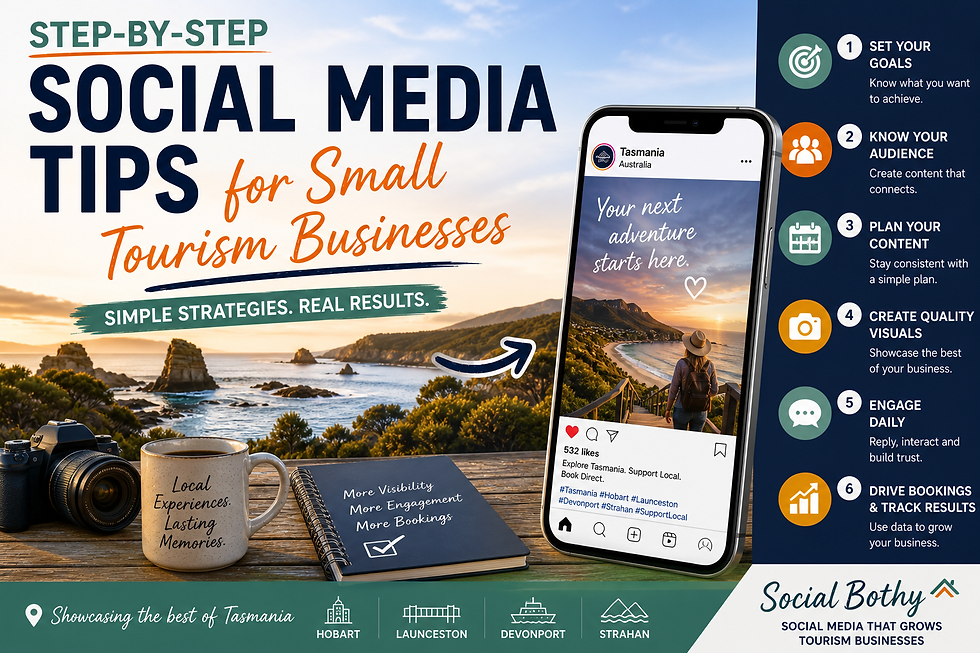
For tourism and hospitality businesses across Tasmania, Instagram and Facebook are essential platforms for attracting visitors, building trust, and increasing bookings. From Hobart’s vibrant waterfront to the coastal beauty of Devonport and the unique experiences in Strahan, social media allows you to showcase what makes your destination special.
However, simply being active on these platforms is not enough. To see real results, you need a clear strategy that combines engaging content, consistency, and audience understanding.
At Social Bothy, we help tourism businesses across Hobart, Launceston, Devonport and Strahan turn their social media into a powerful marketing tool that delivers measurable growth.
Understanding the Role of Instagram and Facebook
Instagram and Facebook serve different but complementary roles in tourism marketing. Instagram is highly visual and ideal for showcasing experiences, while Facebook is more versatile for sharing updates, promotions, and engaging with a broader audience.
Tourism businesses in Tasmania benefit from using both platforms together. Instagram captures attention and inspires travellers, while Facebook builds trust and provides more detailed information that supports decision-making.
Using both strategically helps you reach audiences at different stages of their travel journey.
Creating Content That Attracts Travellers
The foundation of successful social media marketing is content that connects with your audience. Tourism content should focus on experiences rather than just services.
Sharing scenic views, guest experiences, local attractions, and lifestyle moments helps potential visitors imagine themselves in your destination. For example, showcasing a sunrise in Hobart, a food experience in Launceston, or a peaceful coastal scene in Devonport can create strong engagement.
Content that tells a story performs far better than simple promotional posts.
Using Visual Content Effectively
High-quality visuals are essential in tourism marketing. Clear, well-composed photos and videos help your brand stand out in busy social feeds.
Natural lighting, authentic moments, and real experiences should be prioritised over heavily edited visuals. Video content, especially short-form videos and reels, can significantly increase reach and engagement.
By consistently sharing visually appealing content, you can build a strong and recognisable brand presence.
Building a Consistent Posting Strategy
Consistency is one of the most important factors for success on Instagram and Facebook. Posting occasionally will not deliver strong results.
A regular posting schedule keeps your audience engaged and improves your visibility on social platforms. Tourism businesses should aim to share content several times per week, ensuring a balance between inspiration, information, and promotion.
Consistency also helps establish trust and reliability, which are important for attracting bookings.
Leveraging Location-Based Marketing
Location is a key element in tourism marketing. Many users search for destinations such as Tasmania, Hobart, Launceston, Devonport and Strahan when planning their trips.
By using location tags and relevant keywords, your content becomes more discoverable. This increases your chances of reaching travellers who are actively researching these areas.
Combining location-based content with strong visuals creates a powerful strategy for attracting new audiences.
Engaging With Your Audience
Social media is not just about posting content. It is about building relationships with your audience.
Responding to comments, answering questions, and interacting with followers helps build trust and credibility. Potential visitors often look for businesses that are responsive and approachable.
Engagement also improves your visibility, as social platforms prioritise content that generates interaction.
Using Promotions and Offers Strategically
While inspirational content is important, promotions play a key role in converting followers into customers.
Tourism businesses can use Facebook and Instagram to promote special offers, packages, and seasonal deals. The key is to present these offers in a way that adds value rather than appearing overly sales-focused.
For example, promoting a weekend package in Hobart or a guided experience in Strahan can encourage immediate bookings.
Combining Organic Content With Paid Advertising
Organic content helps build your brand over time, while paid advertising can provide immediate visibility.
Facebook and Instagram ads allow you to target specific audiences based on location, interests, and behaviour. This is particularly useful for promoting seasonal offers or reaching travellers planning a visit to Tasmania.
A combined approach ensures both short-term results and long-term growth.
Tracking Performance and Improving Results
Understanding what works is essential for improving your strategy.
Social media platforms provide insights into engagement, reach, and audience behaviour. By analysing this data, you can identify which content performs best and adjust your approach accordingly.
Continuous improvement ensures your social media efforts remain effective and aligned with your business goals.
Turning Social Media Into a Booking Tool
When used strategically, Instagram and Facebook can become more than just marketing platforms. They can become direct drivers of enquiries and bookings.
By focusing on storytelling, consistency, engagement, and targeted promotions, tourism businesses across Tasmania can build a strong online presence.
At Social Bothy, we help businesses in Hobart, Launceston, Devonport and Strahan develop practical strategies that turn social media into measurable results.
With the right approach, your social media can become one of your most valuable assets for long-term growth.
FAQ
Which platform is better for tourism marketing, Instagram or Facebook?
Both platforms are effective. Instagram is ideal for visual storytelling, while Facebook is better for detailed content and engagement.
How often should tourism businesses post on social media?
Posting several times per week helps maintain visibility and engagement.
Do social media ads help increase bookings?
Yes, targeted ads can reach the right audience and drive enquiries and bookings.
What type of content works best for tourism businesses?
Experience-based content, high-quality visuals, and storytelling perform best.


Comments