


Tourism Marketing in Tasmania: Strategies to Attract More Visitors in 2026
Tasmania continues to grow as one of Australia’s most desirable travel destinations. From coastal towns like Port Sorell to vibrant hubs such as Hobart and Launceston, the state offers experiences that attract both domestic and international visitors. However, as tourism competition increases, simply offering a great experience is no longer enough. Tourism operators must also be highly visible online.
Effective tourism marketing in Tasmania requires a strategic blend of digital presence, storytelling and search visibility. Businesses that invest in structured marketing approaches are seeing stronger bookings, improved brand recognition and sustainable long-term growth.
Understanding Today’s Tasmanian Traveller
Modern travellers research extensively before making decisions. They search on Google, browse social media, read reviews and compare options before committing. Whether someone is planning a weekend stay in Port Sorell or a longer Tasmanian road trip, their journey typically begins online.
This shift means tourism businesses must optimise their digital footprint. If your website is difficult to find, slow to load or lacking engaging content, potential visitors may move on to competitors quickly. Visibility and credibility now go hand in hand.
Tourism marketing in Tasmania must therefore prioritise search engine optimisation, strong visual content and consistent messaging across platforms.
The Role of SEO in Tourism Growth
Search engine optimisation remains one of the most powerful marketing tools for tourism operators. Travellers often search phrases related to accommodation in Tasmania, coastal stays near Devonport, or experiences in Port Sorell. Ranking for these searches increases direct enquiries without relying solely on third-party booking platforms.
Local SEO ensures that your business appears in Google search results and map listings when visitors search for services nearby. Optimising website content with Tasmania-focused keywords, location-specific pages and structured headings strengthens organic rankings over time.
Unlike paid advertising, SEO builds long-term authority. When executed strategically, it creates consistent traffic from travellers actively looking for experiences.
Storytelling That Reflects Tasmania’s Identity
Tasmania is unique in landscape, culture and community spirit. Tourism marketing must capture this identity authentically. High-quality photography, engaging video and descriptive storytelling help visitors imagine themselves experiencing your destination.
Rather than simply listing features, successful tourism marketing highlights emotions and moments. Coastal sunsets in Port Sorell, culinary experiences in Hobart or nature trails near Launceston can all be presented through compelling content that builds desire.
Authentic storytelling also strengthens social media performance, encouraging shares and engagement among travellers planning their trips.
Leveraging Social Media for Tourism Engagement
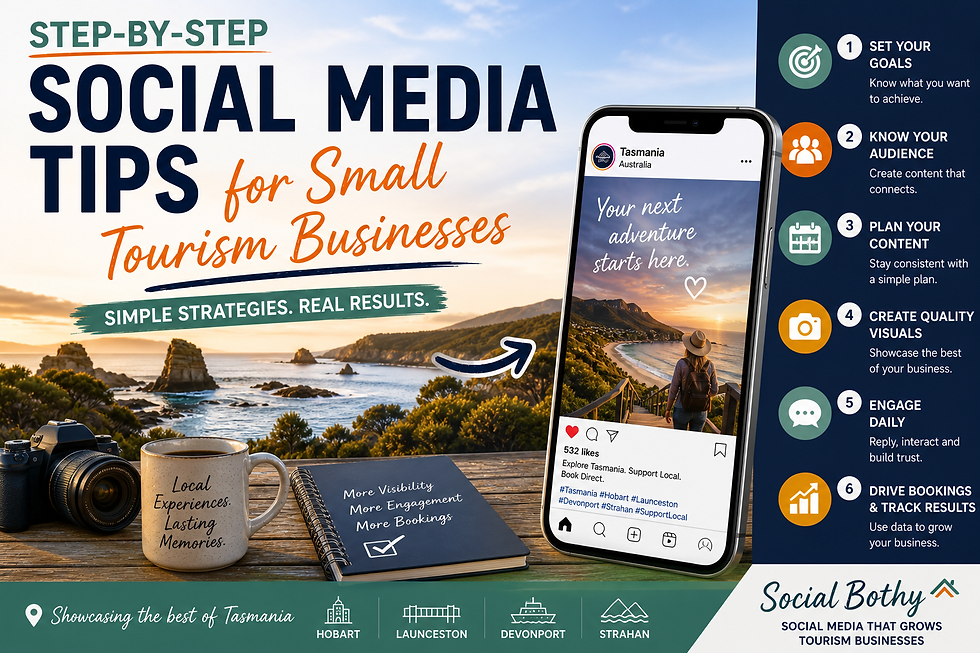
Social media plays a crucial role in inspiring travel decisions. Platforms such as Instagram and Facebook allow tourism operators to showcase experiences visually while interacting directly with potential guests.
Consistent posting, user-generated content and targeted advertising campaigns increase brand awareness across Tasmania and interstate markets. Tourism businesses that respond promptly to enquiries and engage actively with followers often convert more interest into bookings.
Paid social campaigns can also target audiences planning travel to Tasmania, allowing operators in smaller towns such as Port Sorell to reach broader markets efficiently.
Content Marketing Builds Authority and Trust
Content marketing supports both SEO and social media strategies. Publishing blog articles about travel tips, local attractions or seasonal experiences positions your business as a trusted guide rather than just a service provider.
For example, a tourism operator might publish content highlighting the best time to visit Tasmania, family activities in Port Sorell or food experiences near Devonport. These articles attract search traffic while providing genuine value to potential visitors.
When combined with clear calls to action, content marketing turns informational traffic into enquiries and bookings.
The Importance of Reviews and Online Reputation
Online reviews significantly influence tourism decisions. Travellers frequently read Google reviews and social feedback before booking accommodation or tours. Maintaining a positive online reputation is therefore essential.
Encouraging satisfied guests to leave reviews strengthens credibility and improves local search rankings. Responding professionally to feedback demonstrates attentiveness and commitment to service quality.
In a regional market like Tasmania, reputation spreads quickly. A strong online presence reinforces trust and increases referral opportunities.
Data-Driven Tourism Marketing
Modern tourism marketing relies on measurable data. Website analytics, booking conversions and social media engagement metrics provide insights into campaign performance.
Tracking which content generates the most traffic or enquiries allows businesses to refine their strategy continuously. For example, if content focused on Port Sorell coastal experiences drives significant interest, future campaigns can build around similar themes.
This analytical approach ensures marketing budgets are invested efficiently and growth remains sustainable.
Why Professional Tourism Marketing Matters
While many tourism operators attempt to manage marketing internally, professional expertise often delivers stronger results. Structured SEO, strategic social campaigns and cohesive branding require time, experience and specialised tools.
Outsourcing tourism marketing allows operators to focus on delivering exceptional guest experiences while ensuring their digital strategy remains competitive. In a growing tourism environment, this professional support can be the difference between seasonal visibility and year-round bookings.
Conclusion
Tourism marketing in Tasmania requires more than attractive imagery. It demands strategic SEO, authentic storytelling, consistent social engagement and data-driven optimisation. Businesses in Port Sorell, Hobart and Launceston that invest in structured digital marketing are positioning themselves for long-term growth.
As competition increases and traveller behaviour continues to evolve, visibility and credibility online will determine success. With the right marketing strategy, Tasmanian tourism operators can attract more visitors, strengthen their brand and grow sustainably in 2026 and beyond.


Comments